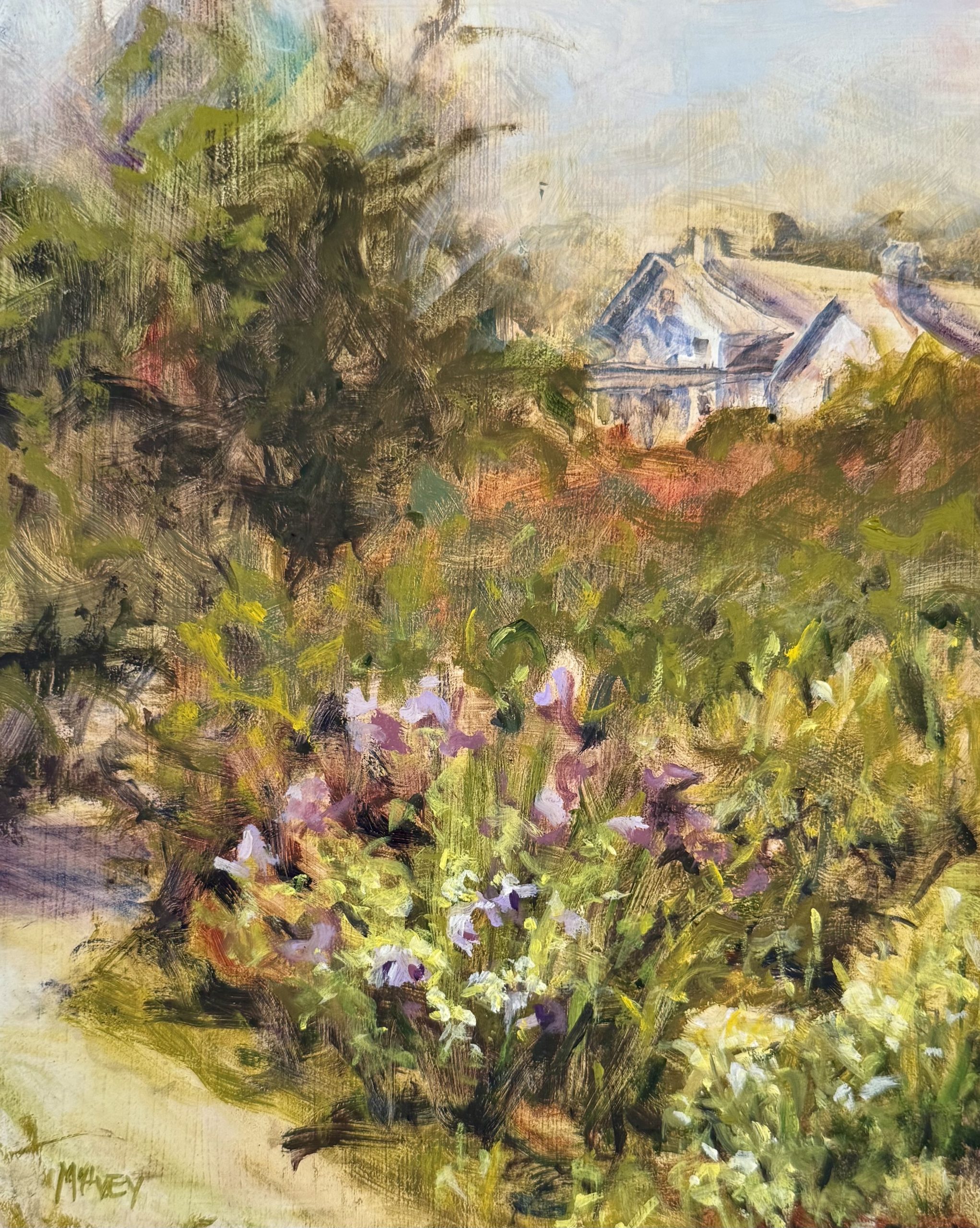
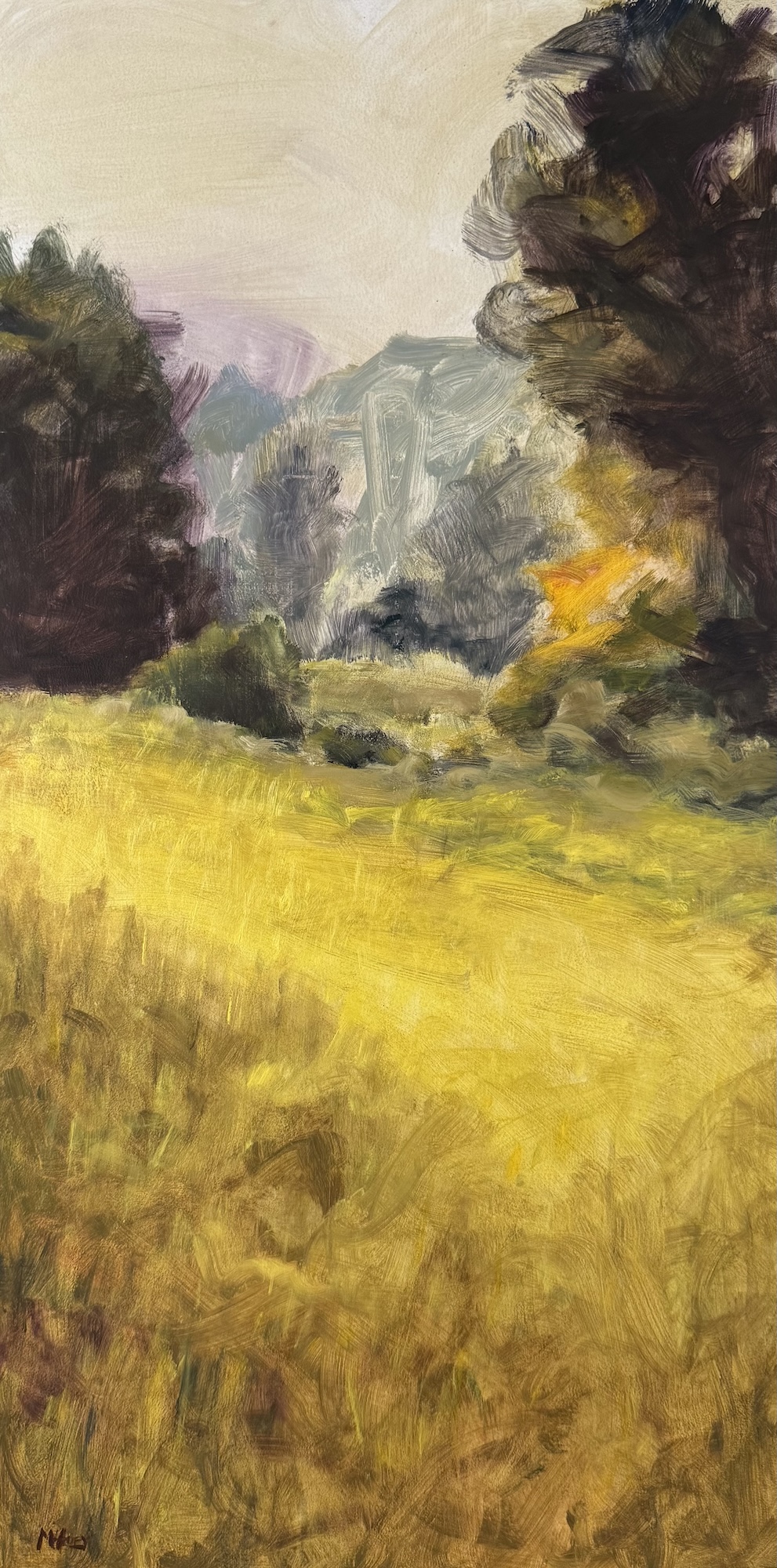
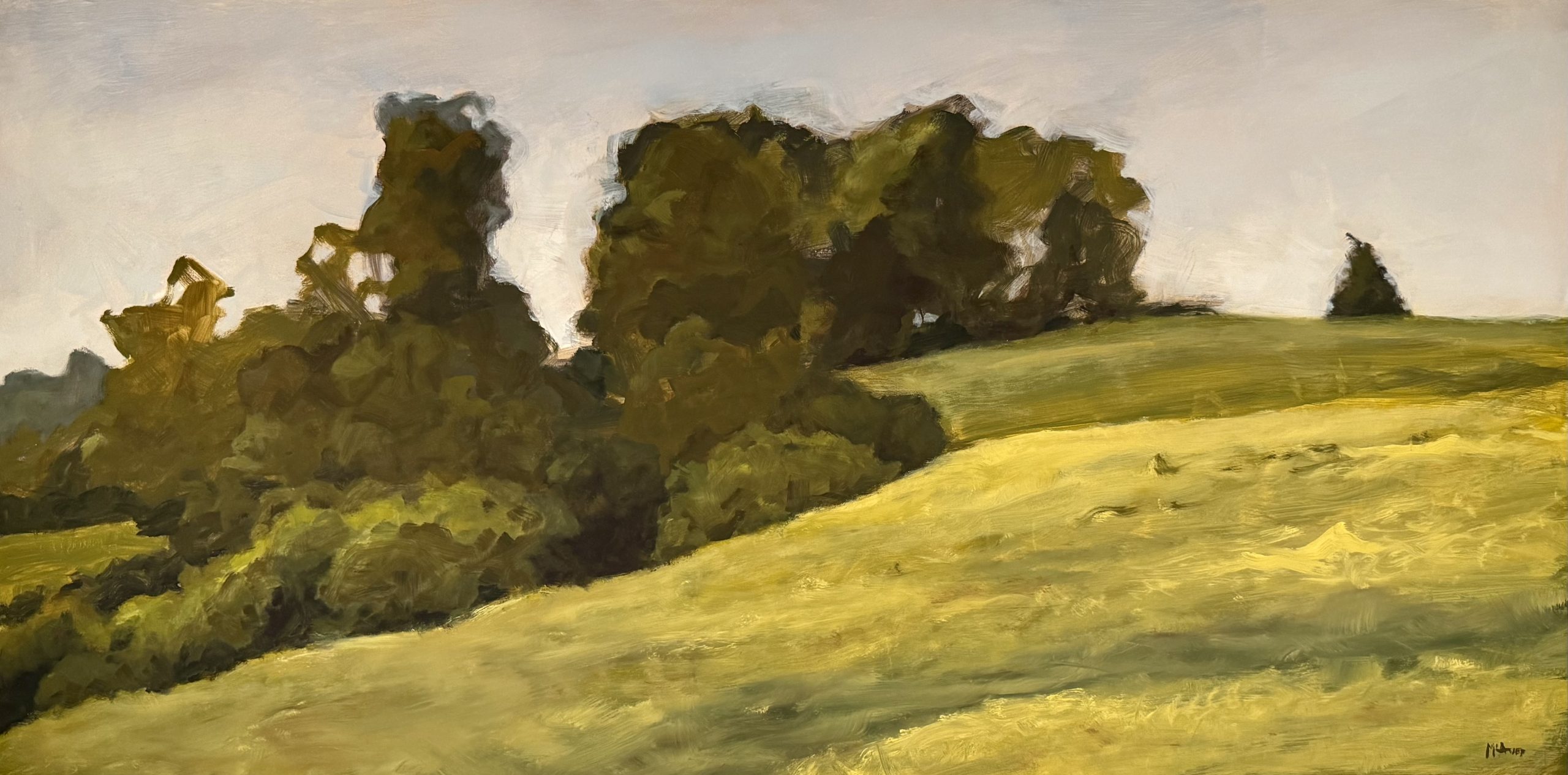
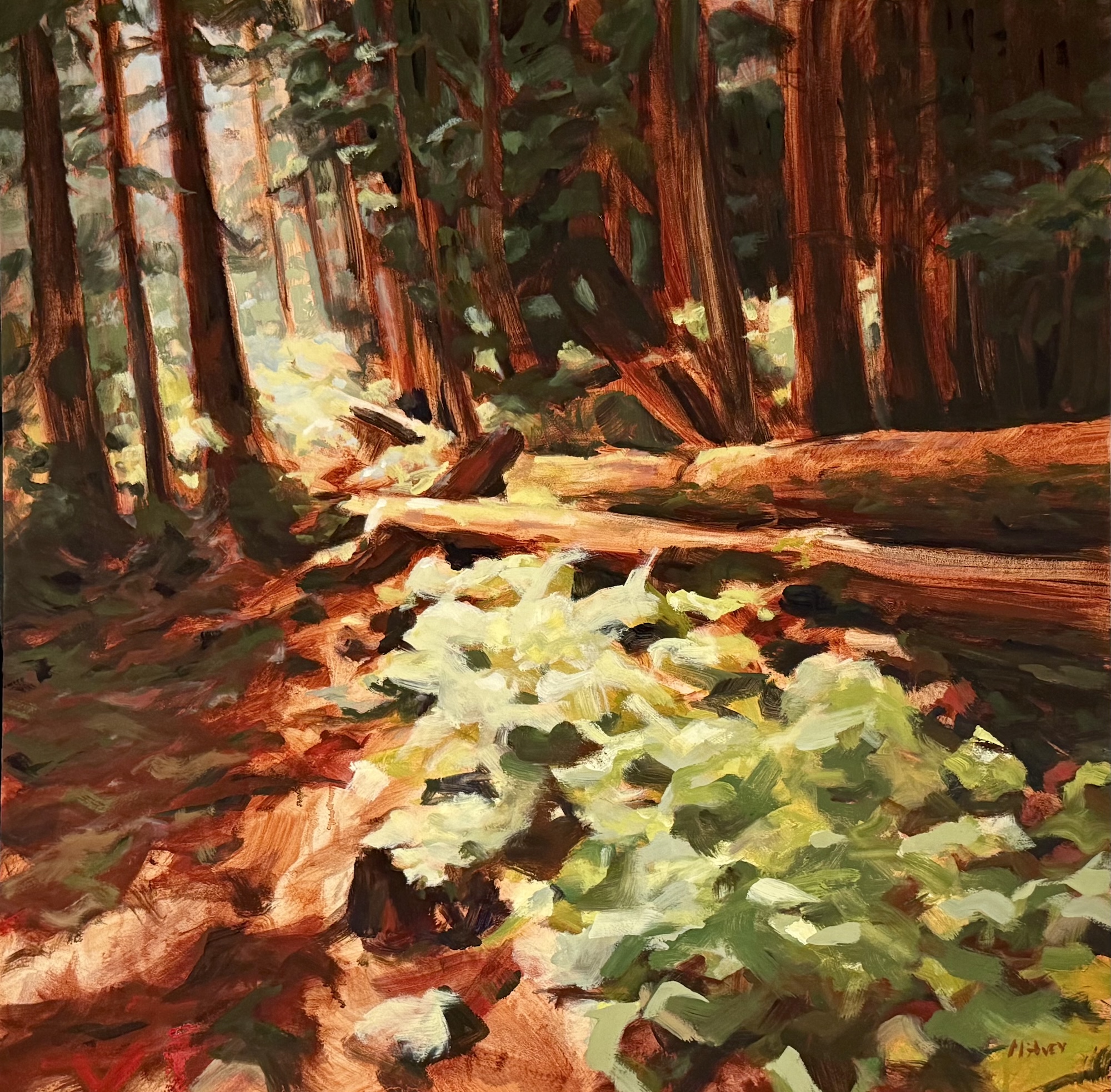
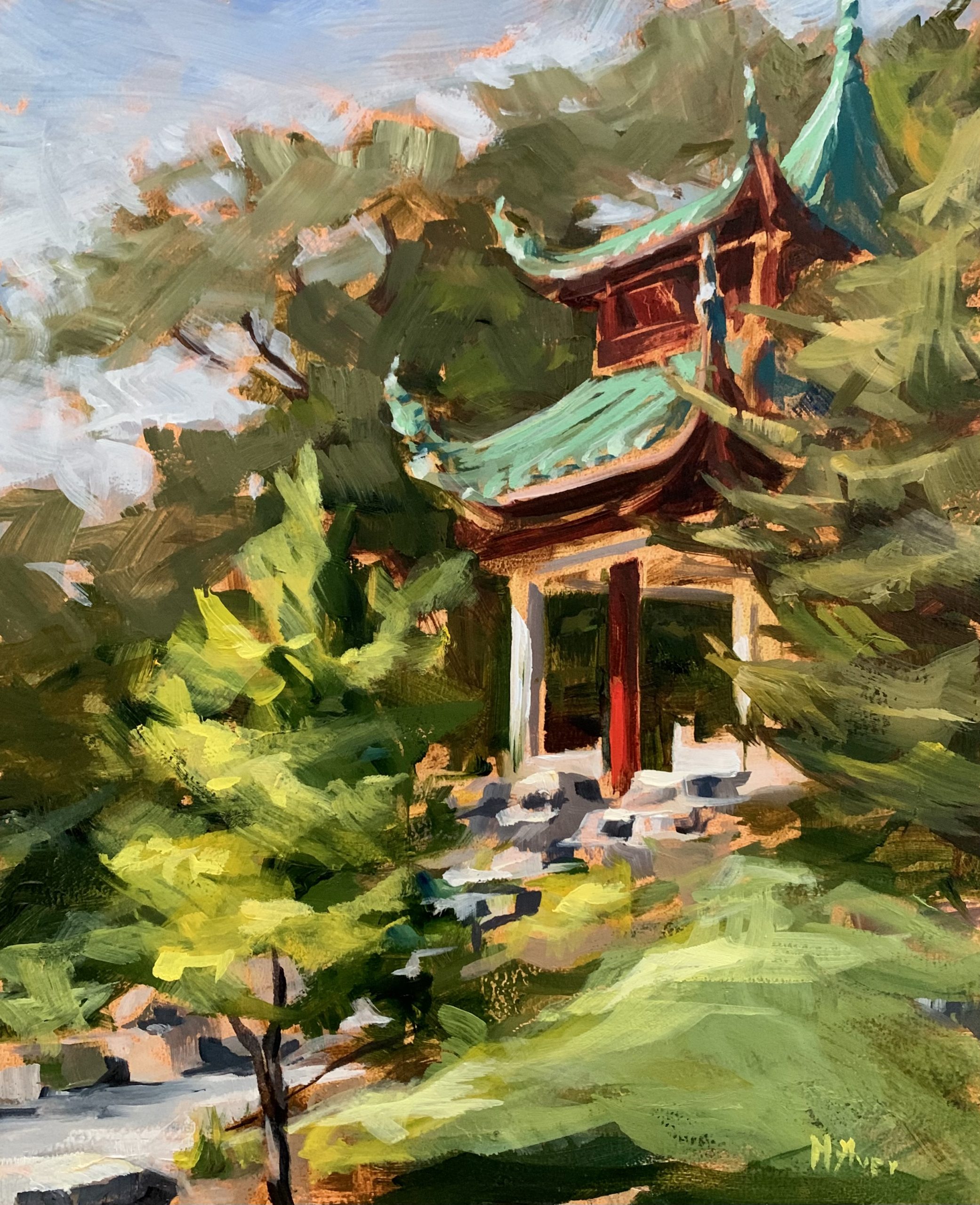
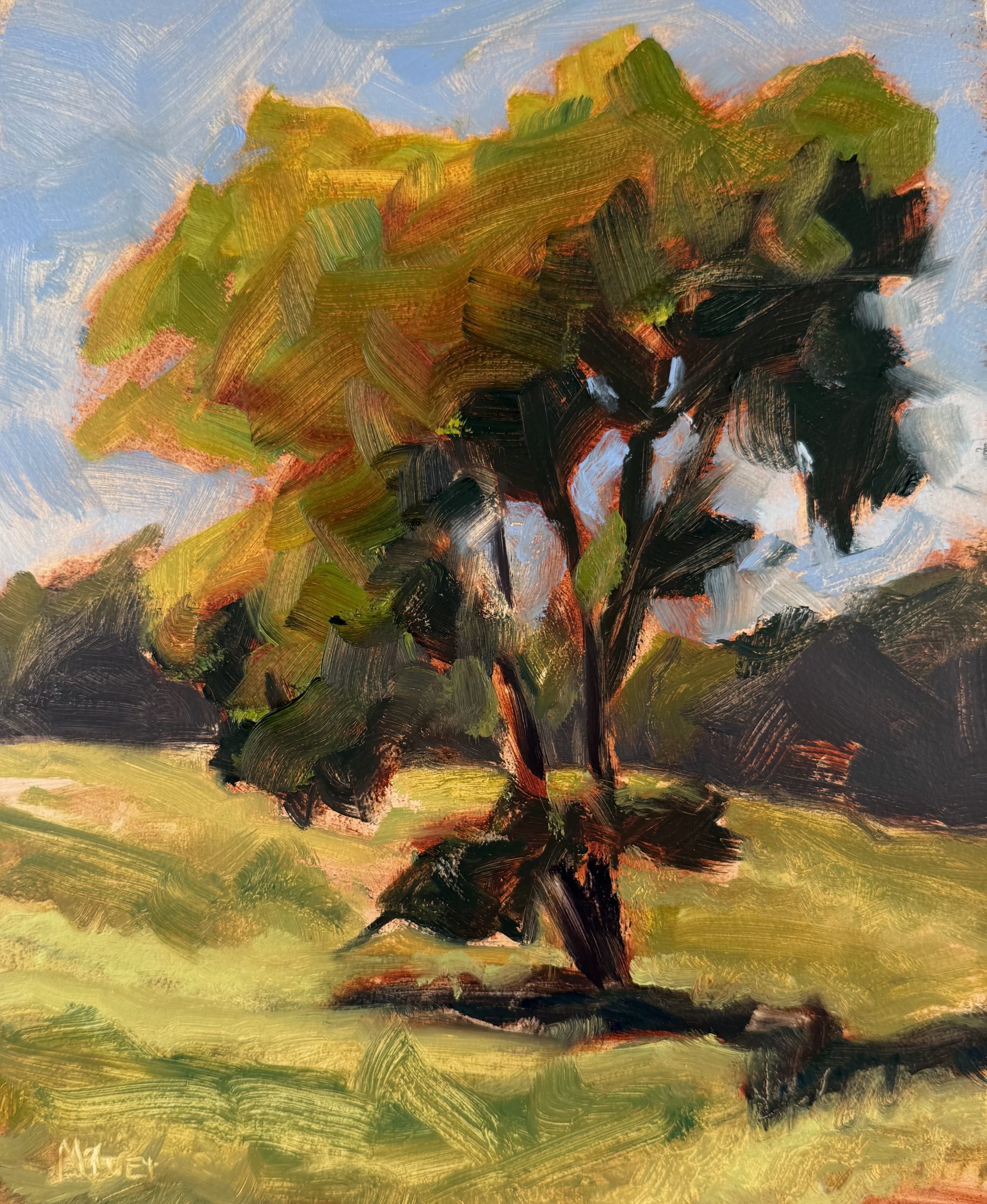

My work invites viewers to share experiences of warm breezes, gentle sounds, and soft fascination that arise when pausing to be fully present in nature.
A landscape artist incorporates rest and healing into his paintings.
Dan McAvey’s artistic practice explores mental health and human interconnection through the genre of landscape painting. He is a faculty member at the Minneapolis College of Art and Design, where he teaches undergraduate and graduate courses in studio art, art education, and humanities. Dan encourages students to adopt a spirit of experimentation and play in their work and to embrace mistakes as a joyful part of developing their artistic practice.
Dan earned an MFA in Visual Studies from MCAD. Prior to pursuing art full-time, he worked in psychology and student development on college campuses. Dan also holds a Master’s degree in Educational Psychology from the University of Minnesota and a Bachelor’s degree in Psychology from Carleton College.
Artist Statement
Time in nature provides opportunities for soft fascination; a mental state where our attention moves in gentle ways without focus or judgment. Effects of increased time outdoors include improved creativity and decreased stress and rumination.
I am a landscape painter, though my background in psychology has significantly influenced my artistic practice. With an emphasis on plein air painting, I research the mental health benefits of time in nature and communicate those experiences through my artwork.
Last summer, painter Dan McAvey spent a week deep in the Sax-Zim Bog, an internationally known birding and conservation area in northern Minnesota. “The bog is dense with tons of trees and shrubs and peat moss … it’s a floating landscape,” he says. The residency brought together six artists who immersed themselves completely in the bog environment and then created work to help promote conservation efforts.
Painting outdoors there required both creativity and resilience. “It was insanely buggy,” McAvey says. He came prepared with what he describes as a “four-pronged approach” that included bug spray, full-body mosquito netting, permethrin-treated clothing and a Thermacell repellent device.
The problem-solving aspect of en plein air painting is, in fact, a big part of its joy. “How am I going to solve the problem of communicating the sounds and the smells and the experience of being out in nature on this flat, two-dimensional surface?” he asks.